The buying brief for hops and brewing adjuncts
Hops and adjuncts can arrive in cartons, sacks or sealed packs with different handling limits. Specify the packaging and protect labels and seals during pallet movement.
Define the features that must stay consistent between replenishment batches. Ordering by a short product name can miss changes in condition, construction or receiver policy.
What needs particular attention
Mixing small packs into a larger stack can hide unsupported edges and create uneven pressure. Retain the accepted written specification and update it when packaging or handling changes. State expected quantities and call-off needs without assuming a fixed availability commitment.
| Load to describe | Sealed hop cartons assembled for a brewing production run |
|---|---|
| Product-specific details | Pack sizes; sensitive seals; storage conditions; order segregation |
| Order-specific details | Approved specification; batch size; replenishment pattern; change controls |
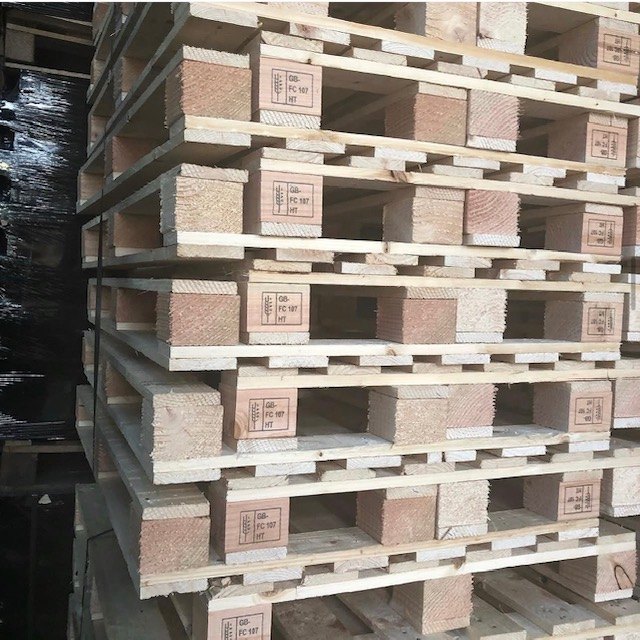
| Pallet footprint | Confirm 1200 × 800 mm and any additional construction or pool requirements. |
| Handling route | State how the loaded pallet moves, is stored and is accepted by the receiver. |
Prepare the enquiry
- Include a photograph or drawing of sealed hop cartons assembled for a brewing production run, with the packed dimensions and loaded mass.
- Explain pack sizes; sensitive seals; storage conditions; order segregation so the proposed base can be compared with the load.
- Add approved specification; batch size; replenishment pattern; change controls and distinguish confirmed requirements from items awaiting a decision.
- Send the delivery postcode and unloading arrangements. Ask for availability, suitability and delivery to be confirmed in the quotation.
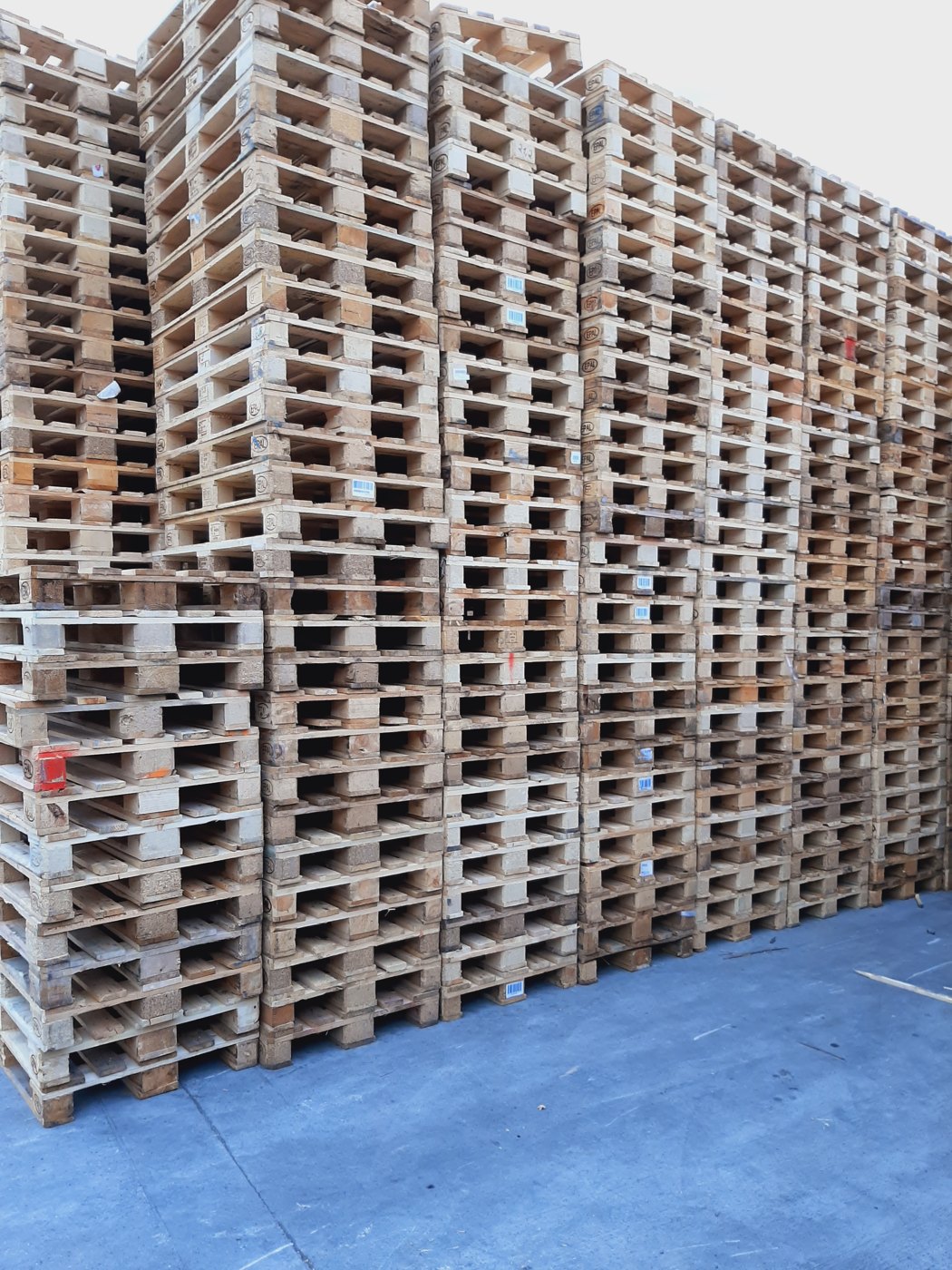
Use the Euro pallet quotation checklist to bring those details together. For a condition comparison, see new versus recycled Euro pallets.
Before agreeing the order
Review the proposed base against the packed goods, the handling equipment and the receiver’s written policy. If an eligible exchange pallet is required, state that separately from the 1200 × 800 footprint. Confirm treatment and marking requirements for export where relevant.
Keep the agreed specification with the dispatch instruction. If the packaging, load pattern or handling route changes, revisit the enquiry rather than assuming the previous base remains suitable.