New & recycled Euro pallets
New and recycled Euro pallets
Choose the condition and specification that fit your goods, handling equipment and receiving requirements.
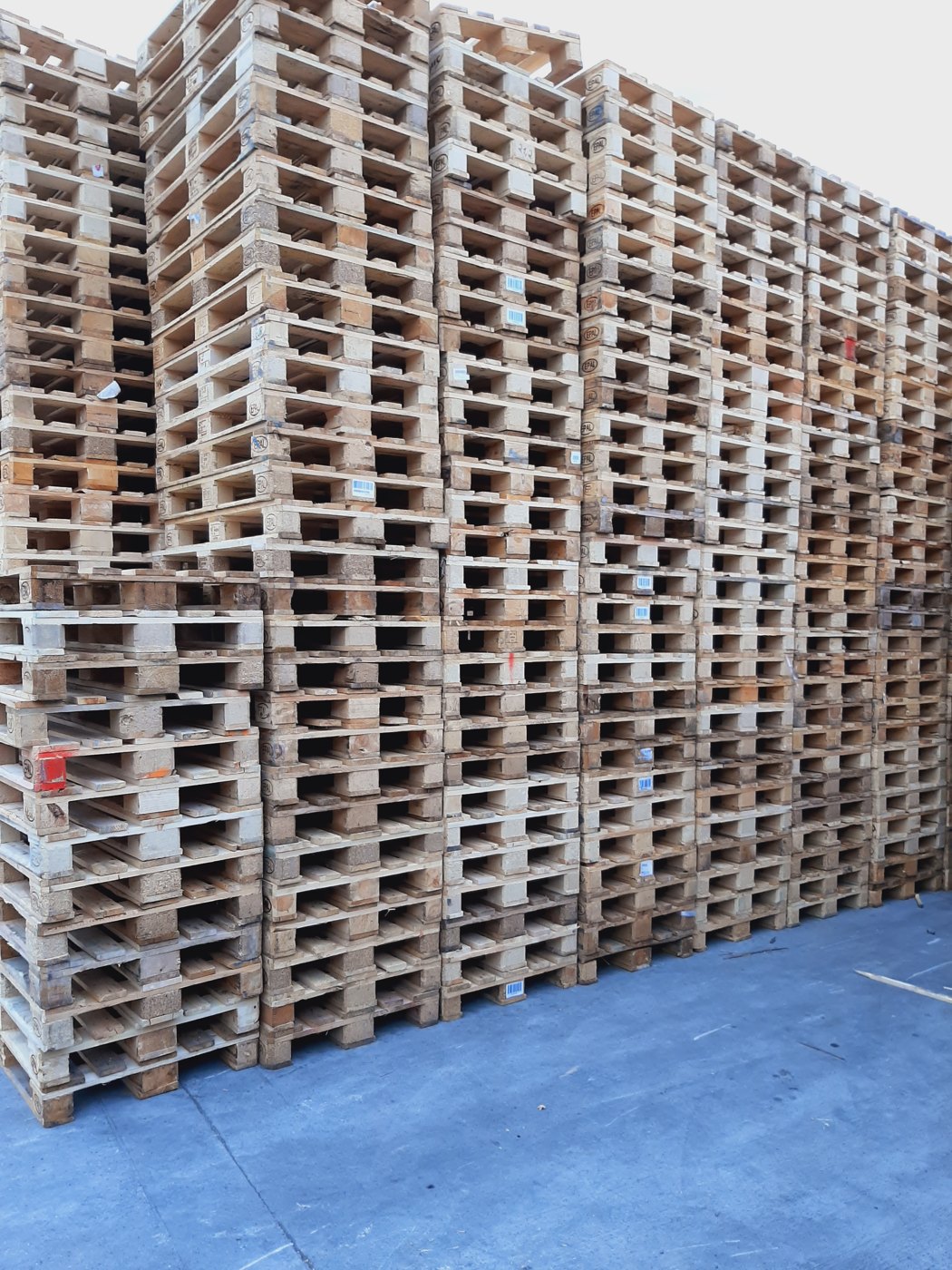
New. Recycled. 1200 × 800.
Start with the specification that matters.
Start with the specification that matters.
Start with the pallet condition
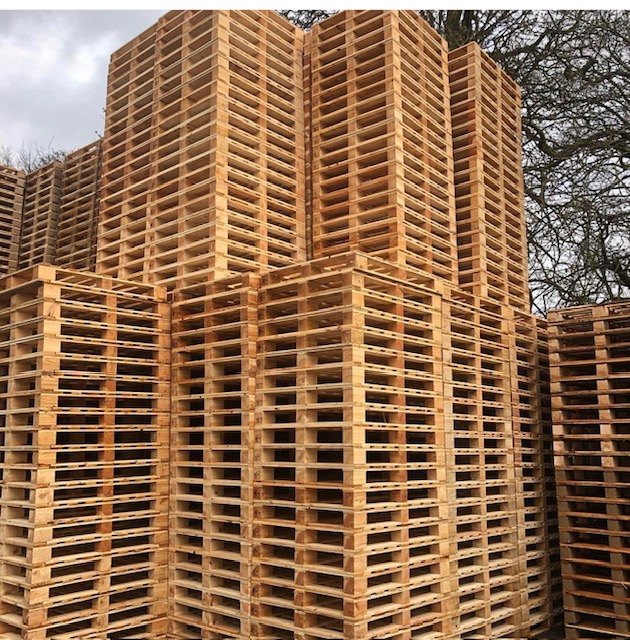
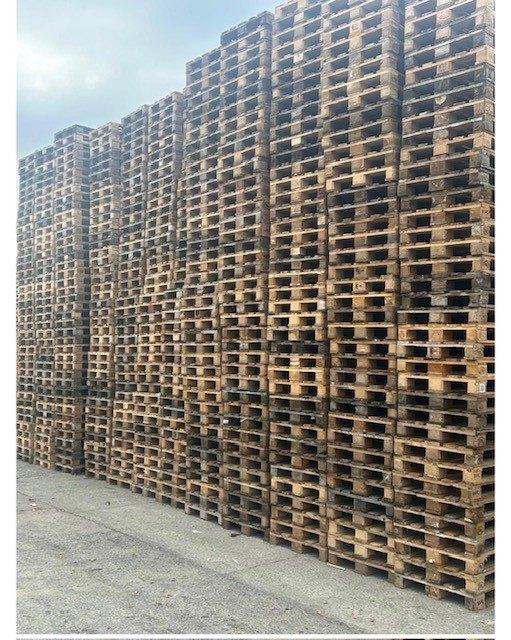
Specification guides
Size, condition and handling all contribute to the brief. Select the question you need to resolve.
New versus recycled Euro palletsCompare a new base with an agreed recycled condition against the receiver’s policy, appearance requirements and handling route. Recycled does not automatically mean unsuitable, and new does not remove the need for a load specification.EPAL versus Euro-size palletsA 1200 × 800 footprint describes size. EPAL describes a recognised pallet system with its own requirements. Confirm whether the buyer needs an eligible exchange pallet or simply a Euro-size base.1200 × 800 pallet dimensionsSpecify millimetres and the overall footprint before discussing loaded height. Keep the height of the base separate from the finished consignment height and confirm that packaging stays within its planned outline.Four-way Euro pallet entryBlock construction can provide forklift access from four sides, but truck geometry and underside boards affect practical access. Confirm the actual handling equipment and entry direction.Grade A pallet conditionAgree a supplier’s Grade A definition in writing. Include acceptable repairs, appearance and damage exclusions so a lighter colour is not the only selection criterion.Grade B pallet conditionA darker used pallet can still need a careful structural and cleanliness check. Discuss functional acceptance separately from cosmetic wear and retain the receiver’s exclusions.Heat treated Euro pallet enquiriesIdentify the actual shipment and whether appropriately marked timber packaging is required. Ask for treatment requirements to be addressed in the quotation alongside the pallet construction.Kiln drying and heat treatmentDrying and phytosanitary treatment address different aspects of timber packaging. If dry timber matters to the goods or site, specify a condition requirement rather than assuming it from a treatment mark.Euro pallet load-weight briefsState total packed weight and the way it reaches the deck. A figure for an evenly distributed load does not explain a machine foot, drum rim or narrow container runner.Point loads on Euro palletsShow the positions and size of each foot, rim or runner. Concentrated contacts require specific review even when the overall packed mass appears modest.Euro pallets in rackingRecord beam spacing, orientation and any additional support. Confirm suitability for the actual support arrangement instead of transferring a generic capacity figure.Euro pallet truck accessShare fork dimensions, entry direction and underside clearances. Small wheels and bottom boards can affect movement even when forklift entry is straightforward.Euro pallets for automated handlingObtain the conveyor or automated warehouse operator’s accepted pallet specification. Review dimensional consistency, underside contact and damage exclusions against that specification.Carton patterns on Euro palletsUse actual carton measurements to plan the layer. Support carton edges, note pack stacking limits and identify how wrap or straps act on the final arrangement.Avoiding Euro pallet overhangCheck the final outer dimensions after wrapping and protection are fitted. Goods projecting beyond the planned base can encounter impacts or lose support at their edges.Euro pallet stack-height planningState the number of layers and overall height together with the load mass and restraint method. Height should follow packaging and receiving limits rather than an assumed universal rule.Wrapping and strapping Euro pallet loadsDescribe fragile surfaces and pressure limits when choosing wrap or straps. Restraint must keep the load secure without deforming trays, cartons or lightweight packaging.Euro pallet cleanliness requirementsAsk the receiving site for specific timber acceptance criteria. Define exclusions for contamination, odour or loose debris rather than relying on an undefined hygiene label.Euro pallets for food sitesConfirm that the food operation permits timber and how the packaged product is separated from it. Use the site’s actual policy and do not assume a universal food-grade certification.Euro pallets for pharmaceutical sitesObtain the recipient’s policy for timber, cleanliness and traceability before selecting a base. Some routes can require a specific acceptance process or exclude timber.Euro pallets for brewery kegsRecord keg diameter, chime contact and filled weight. Check the arrangement against deck support and the restraint needed for filled outbound loads or empty returns.Euro pallets for brewery packagingSeparate the briefs for bottles, filled cans, empty packaging and ingredients. These formats have different pressure, stability and handling concerns even within one brewery.Euro pallet export checklistList the destination country, timber packaging components and receiver requirements. Check current official rules and request suitable marked packaging without promising automatic border acceptance.Euro pallet receiver acceptanceShare the receiver’s required size, condition and markings before ordering. Keep the accepted pallet brief with the dispatch instruction so warehouse and purchasing teams use the same criteria.Repeat Euro pallet supply enquiriesRetain the accepted base specification and record changes in packaging or handling. Describe replenishment needs in the enquiry and confirm availability with each agreed arrangement.Small-batch Euro pallet enquiriesProvide the same load and receiving details for a small order as for a larger one. Ask about available quantity and delivery arrangements rather than assuming a minimum order.Bulk Euro pallet enquiriesDefine the accepted condition, batch quantity and unload arrangements before discussing a larger order. Include available storage space and any staged receipt requirements.Euro pallet unloading arrangementsState the equipment and access at the final site. Booking slots, restricted entrances and floor conditions should be included in the enquiry before transport is agreed.Euro pallets with pallet collarsConfirm the collar’s intended base interface and internal clearance. Walls and lids contain the goods, but the pallet still needs to support the actual filled load.Euro pallet ordering checklistBring size, condition, quantity, loaded weight, handling route, receiver policy and destination postcode into one enquiry. Identify unresolved items so they can be answered before the order is agreed.