Condition choice: what to establish
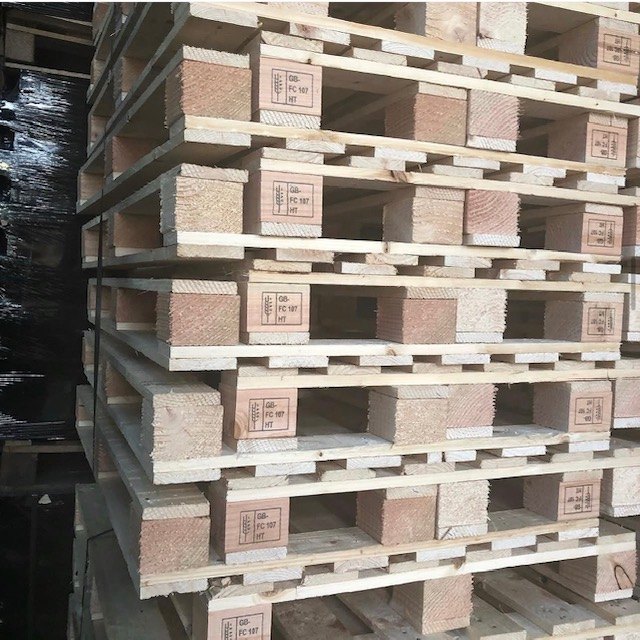
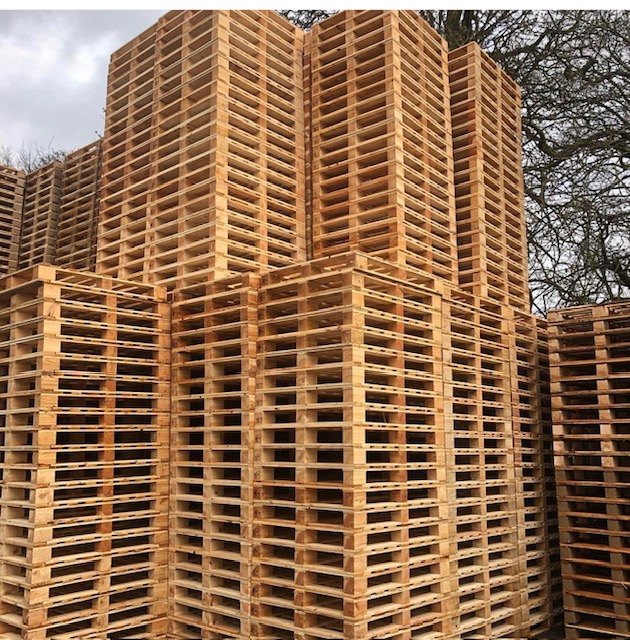
Compare a new base with an agreed recycled condition against the receiver’s policy, appearance requirements and handling route. Recycled does not automatically mean unsuitable, and new does not remove the need for a load specification.
The question to answer first
Do you need new timber, a defined used grade or either subject to inspection?
Record the answer alongside the size and condition of the proposed base. Include any receiver specification, because it can affect the decision before price or quantity is discussed.
| Buying decision | New versus recycled Euro pallets |
|---|---|
| Main question | Do you need new timber, a defined used grade or either subject to inspection? |
| Load information | Packed dimensions, total mass and the positions where the load contacts the deck. |
| Site information | Receiving requirements, handling equipment and storage support. |
| Order information | Quantity, delivery postcode and unloading arrangements. |
Apply the decision to a real load
Filled kegs concentrate their weight through the chime contact area. Record each keg diameter and filled mass before choosing a base.
A keg layout can leave a chime over a deck gap even when the total weight appears manageable. Use the new Euro pallets guide for filled brewery kegs to relate this question to a specific consignment.
Keep the specification clear
- Describe what is required rather than relying on a short commercial product name.
- Separate confirmed requirements from preferences and unanswered questions.
- Obtain the supplier’s proposed specification and compare it with the receiving policy.
- Confirm suitability, availability and transport arrangements before placing the order.
For help preparing the enquiry, use the Euro pallet quotation brief. Browse new and recycled Euro pallet options or select your delivery destination.