New & recycled Euro pallets
Euro pallet guides for your industry
Start with the actual goods. Explore practical briefs for kegs, beer packaging, ingredients, manufacturing and distribution.
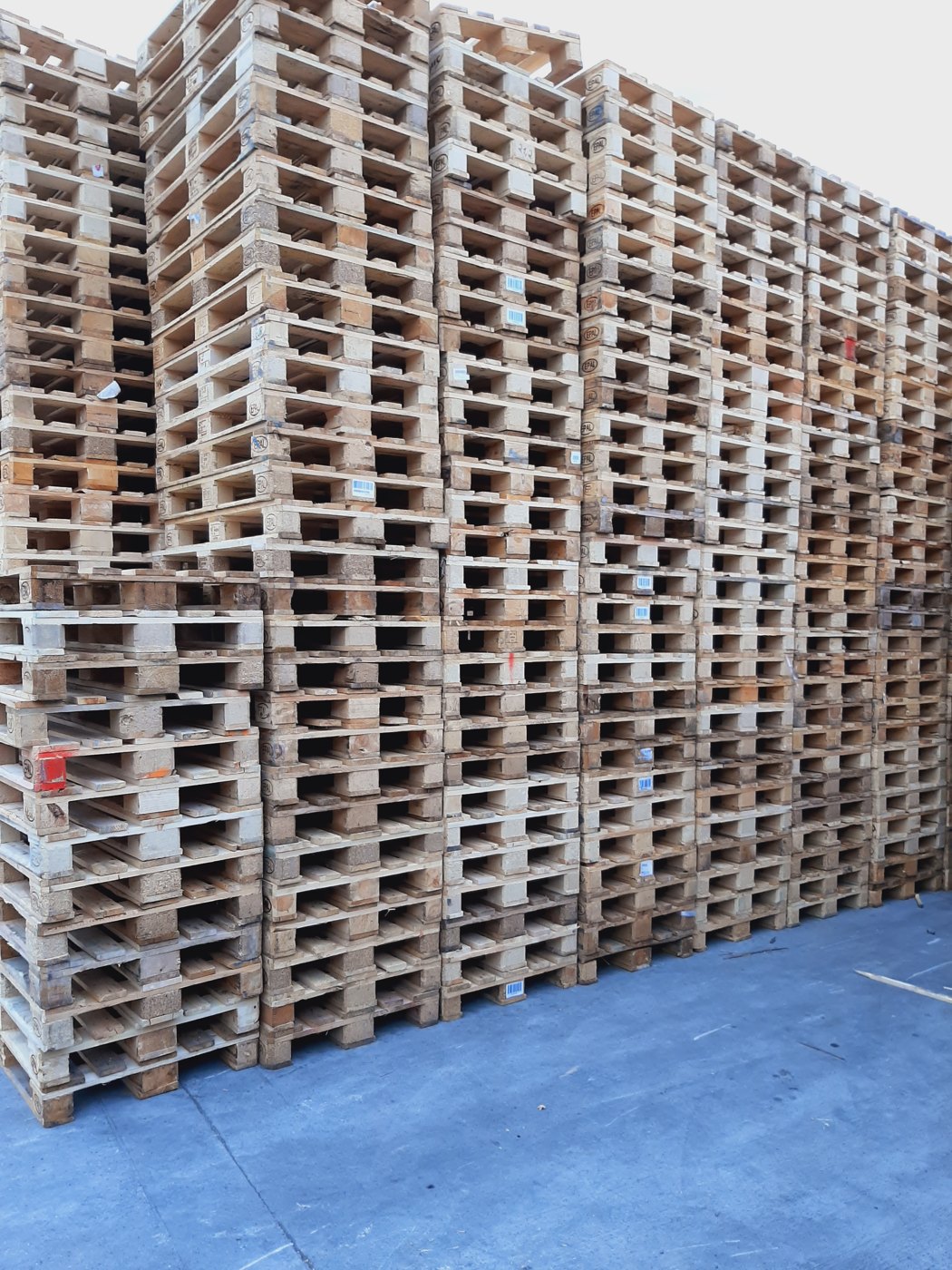
New. Recycled. 1200 × 800.
Start with the specification that matters.
Start with the specification that matters.
Choose your load
Each guide connects product-specific risks with different buying and handling decisions.
Euro pallets for filled brewery kegsFilled kegs concentrate their weight through the chime contact area. Record each keg diameter and filled mass before choosing a base.Euro pallets for empty keg returnsEmpty kegs can form a light but tall return load. The return journey needs a defined stack pattern and restraint, rather than simply reusing the outbound arrangement.Euro pallets for bottled beerBottled beer places glass, liquid and cardboard on the same base. Describe the case footprint and the intended layer pattern so deck support follows the case edges.Euro pallets for canned beerCanned beer may travel in trays, cartons or multipacks. Identify the actual pack format and loaded height; a wrap change can alter stability without changing the number of cans.Euro pallets for brewing malt and grainBagged brewing ingredients need broad support under flexible sacks. Note bag weights, closure positions and whether the stack is interlocked.Euro pallets for hops and brewing adjunctsHops and adjuncts can arrive in cartons, sacks or sealed packs with different handling limits. Specify the packaging and protect labels and seals during pallet movement.Euro pallets for empty glass bottlesEmpty glass packaging has different restraint needs from filled beer. Record whether bottles are in cartons, trays or bulk layers with separators.Euro pallets for empty cans and packagingEmpty cans and lightweight packaging often build into bulky loads. The base must suit the pack footprint while restraint protects the packaging from crushing.Euro pallets for soft drinksSoft drinks combine substantial liquid weight with varied bottle and carton formats. Build the brief from the final filled packaging rather than empty packaging dimensions.Euro pallets for spirits and premium beveragesPremium beverage loads may include glass bottles and presentation cartons. The pallet arrangement should protect visible packaging as well as support the weight.Euro pallets for chemical drumsDrums place weight through circular bases or rims. Record drum material, filled mass and how the contact area meets the deck.Euro pallets for packaged chemical productsSmall chemical containers often ship within cartons or trays. Confirm the outer packaging arrangement and any handling restrictions supplied with the product.Euro pallets for packaged pharmaceuticalsPharmaceutical shipments can have strict receiver policies for timber, cleanliness and traceability. Obtain those policies before choosing a pallet condition or grade.Euro pallets for packaged food cartonsPackaged food loads need a pallet accepted by the receiving operation. Keep timber separate from exposed food and confirm how outer cartons protect the product.Euro pallets for bagged food ingredientsFlexible sacks can sag into deck gaps and are sensitive to splinters and fasteners. Share sack dimensions and the actual stacking pattern.Euro pallets for automotive componentsAutomotive components may use returnable containers, bins or cartons. Confirm the contact points of the container and the customer’s accepted base format.Euro pallets for engineering machineryMachinery loads often place weight on a few feet or mounting points. Supply a drawing or clear photograph showing where the load contacts the base.Euro pallets for metal componentsMetal parts can be dense and may use trays, bins or protective wrapping. Specify the loaded container, its base contacts and the restraints preventing parts from moving.Euro pallets for construction materialsConstruction products range from boxed fittings to heavy bagged items. Start with the actual pack geometry and unload method at the final site.Euro pallets for electrical equipmentElectrical equipment can include cabinets, panels or boxed assemblies. Check how feet or runners meet the base and how packaging prevents moisture exposure.Euro pallets for boxed electronicsElectronics commonly travel in labelled cartons with protective inner packaging. Match the layer pattern to carton edges and maintain readable labels for receiving.Euro pallets for retail mixed cartonsMixed retail orders need a deliberate layer arrangement. Sort the sizes and weights so smaller or lighter cartons are not used to support heavier goods.Euro pallets for warehouse distribution loadsDistribution pallets need to suit both dispatch and receiving equipment. Ask for the full handling chain, including transfers and any temporary storage.Euro pallets for oil and gas spare partsIndustrial spare parts can combine dense metal items with sensitive instruments. Describe the packaging and securing method for each item rather than treating the load as uniform.Euro pallets for pallet collar loadsCollars create walls around a pallet but do not set the capacity of the base. Check the collar interface, filled contents and whether a liner or lid is needed.