New & recycled Euro pallets
Euro pallets for metal components
Metal parts can be dense and may use trays, bins or protective wrapping. Specify the loaded container, its base contacts and the restraints preventing parts from moving.
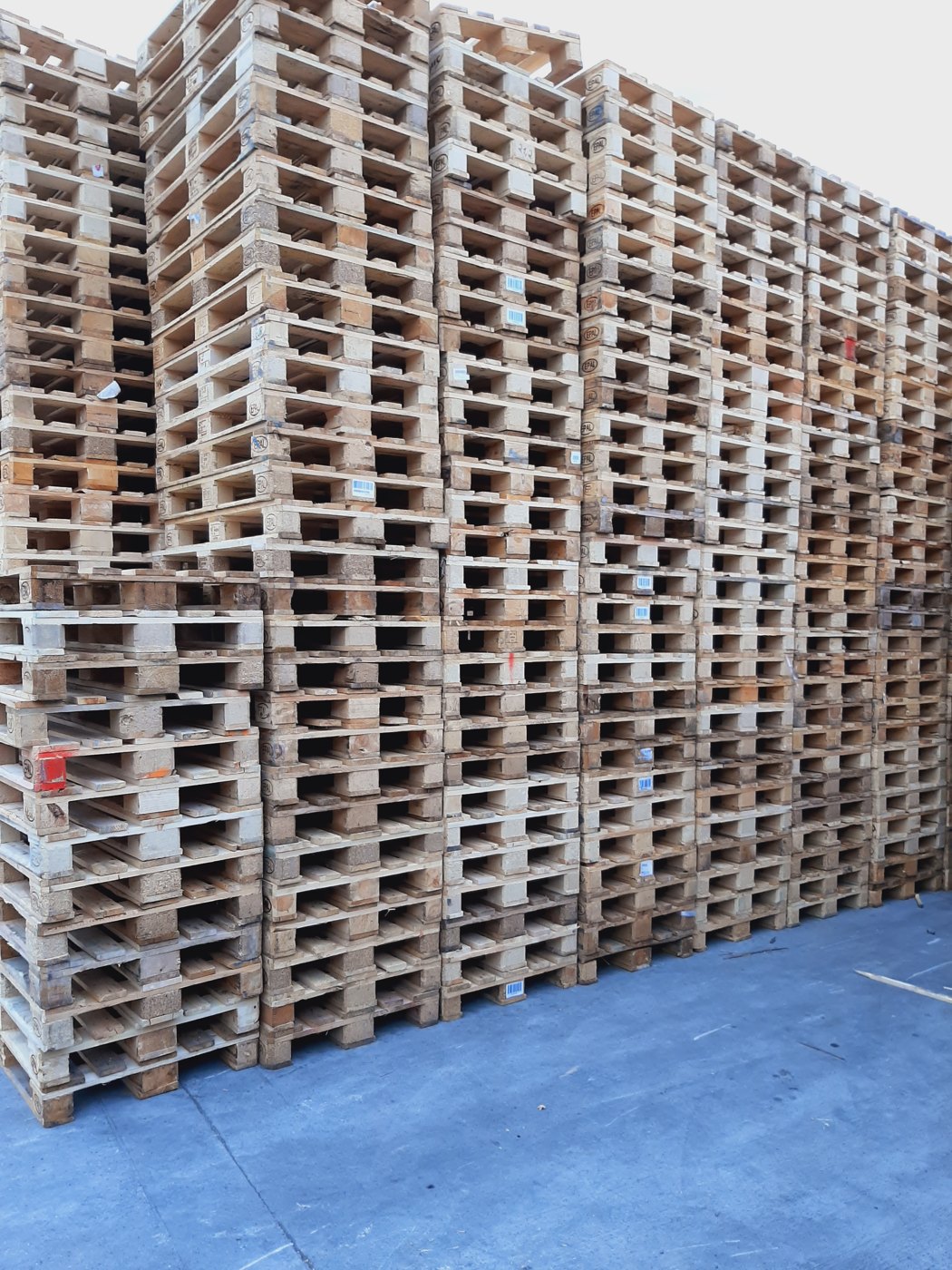
New. Recycled. 1200 × 800.
Start with the specification that matters.
Start with the specification that matters.
Plan the base around the goods
Metal parts can be dense and may use trays, bins or protective wrapping. Specify the loaded container, its base contacts and the restraints preventing parts from moving.
Loose dense parts can shift the centre of gravity or overload a small deck area.
Choose the decision you need to make
These guides address different purchase and handling situations for metal components. Use the load details alongside the receiving site’s own requirements.
New Euro pallets for metal componentsChoose a new base around the packed load and receiving requirements. For metal components, start with container base.Recycled Euro pallets for metal componentsAgree what a used pallet must meet before it enters this handling route. For metal components, start with container base.Grade A Euro pallets for metal componentsSet a clear condition brief for lighter-looking used stock. For metal components, start with container base.Grade B Euro pallets for metal componentsAssess whether a more visibly used base meets the load and site requirements. For metal components, start with container base.Export Euro pallets for metal componentsPrepare the timber packaging brief for the destination country and shipment. For metal components, start with container base.Euro pallets for racking for metal componentsReview the support arrangement before placing a loaded base in a rack. For metal components, start with container base.Euro pallets for pallet trucks for metal componentsCheck how the loaded base will be moved at ground level. For metal components, start with container base.Euro pallets for conveyors for metal componentsMatch the base contacts to the handling equipment. For metal components, start with container base.Euro pallet layer planning for metal componentsBuild the load pattern from the actual outer packaging dimensions. For metal components, start with container base.Euro pallet load restraint for metal componentsDescribe how the packed load stays stable during movement. For metal components, start with container base.Repeat Euro pallet orders for metal componentsDefine the features that must stay consistent between replenishment batches. For metal components, start with container base.Euro pallets for mixed loads for metal componentsSeparate the individual pack and weight requirements within a shared base. For metal components, start with container base.Euro pallet dry-storage planning for metal componentsSet the pallet condition and storage brief alongside the goods’ requirements. For metal components, start with container base.Euro pallet receiving checks for metal componentsAgree what the receiving team will check before accepting the consignment. For metal components, start with container base.Euro pallet delivery planning for metal componentsInclude the final unloading conditions in the pallet enquiry. For metal components, start with container base.Euro pallet quotation brief for metal componentsTurn the product description into enough detail for a useful supplier quotation. For metal components, start with container base.
A useful starting specification
| Packed load | Packed machined parts for a manufacturing customer |
|---|---|
| Details to send | Container base; packed mass; contact points; restraints; sharp-edge protection |
Compare new and recycled Euro pallets and use the quotation checklist when you have the load details.