The buying brief for soft drinks
Soft drinks combine substantial liquid weight with varied bottle and carton formats. Build the brief from the final filled packaging rather than empty packaging dimensions.
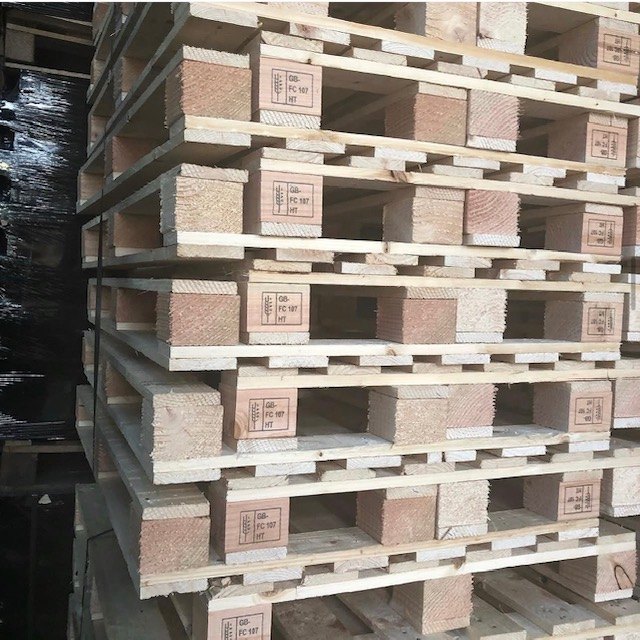
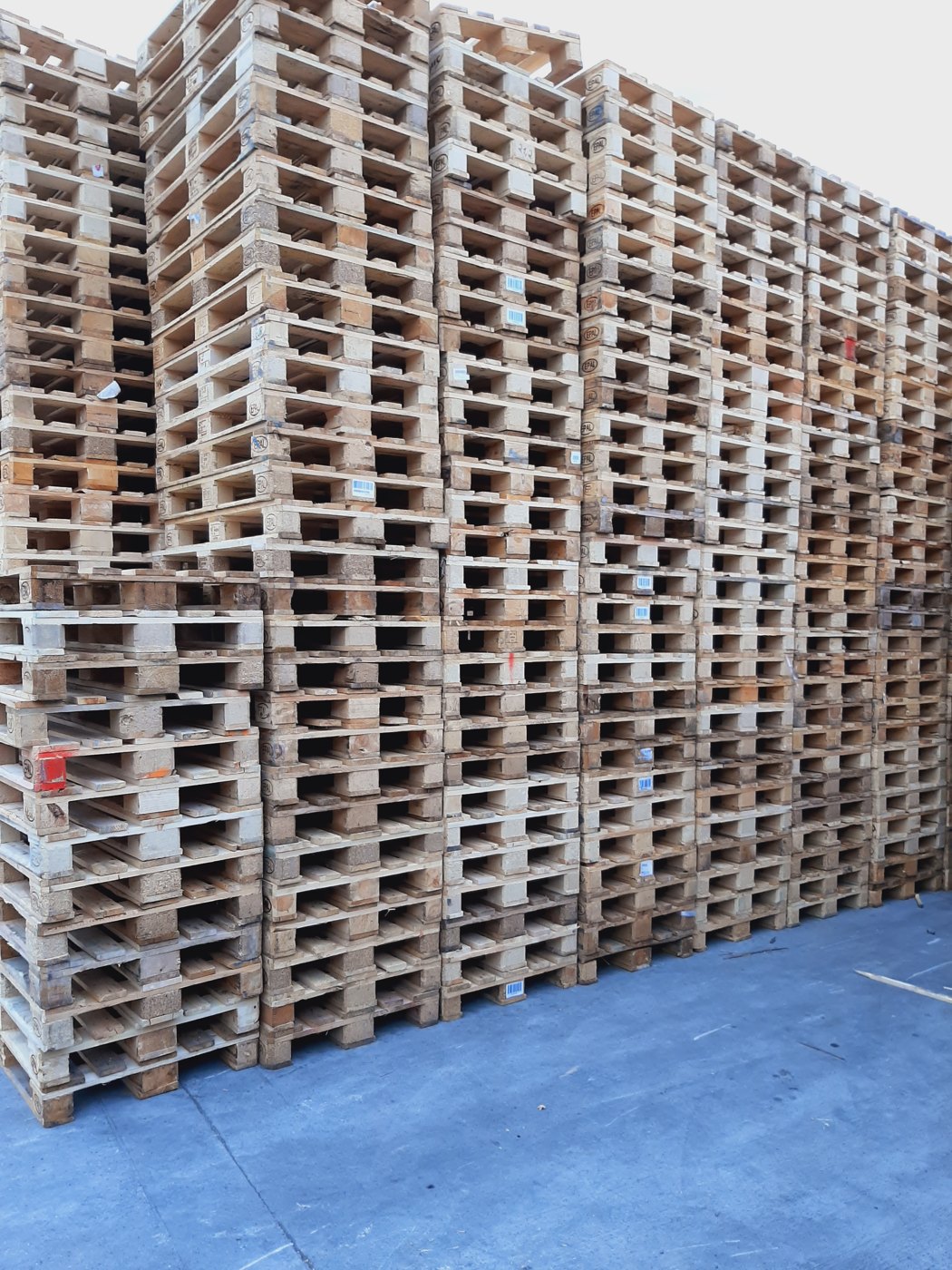
Set a clear condition brief for lighter-looking used stock. A commercial Grade A description should be explained by the supplier; it is not a substitute for receiver acceptance.
What needs particular attention
Concentrated weight and weak pack edges can undermine a tall load. Ask what the grade covers, including repairs, staining, cleanliness and construction. Compare those points with the load and the destination’s written policy.
| Load to describe | Cases of filled soft drinks dispatched to a depot |
|---|---|
| Product-specific details | Filled pack mass; case pattern; wrap; top-load allowance; destination rules |
| Order-specific details | Grade definition; cosmetic limits; repairs; receiver acceptance |
| Pallet footprint | Confirm 1200 × 800 mm and any additional construction or pool requirements. |
| Handling route | State how the loaded pallet moves, is stored and is accepted by the receiver. |
Prepare the enquiry
- Include a photograph or drawing of cases of filled soft drinks dispatched to a depot, with the packed dimensions and loaded mass.
- Explain filled pack mass; case pattern; wrap; top-load allowance; destination rules so the proposed base can be compared with the load.
- Add grade definition; cosmetic limits; repairs; receiver acceptance and distinguish confirmed requirements from items awaiting a decision.
- Send the delivery postcode and unloading arrangements. Ask for availability, suitability and delivery to be confirmed in the quotation.
Use the Euro pallet quotation checklist to bring those details together. For a condition comparison, see new versus recycled Euro pallets.
Before agreeing the order
Review the proposed base against the packed goods, the handling equipment and the receiver’s written policy. If an eligible exchange pallet is required, state that separately from the 1200 × 800 footprint. Confirm treatment and marking requirements for export where relevant.
Keep the agreed specification with the dispatch instruction. If the packaging, load pattern or handling route changes, revisit the enquiry rather than assuming the previous base remains suitable.